
Video: Watch on YouTube
The term may sound like an academic jargon, but its mechanics operate in plain sight:
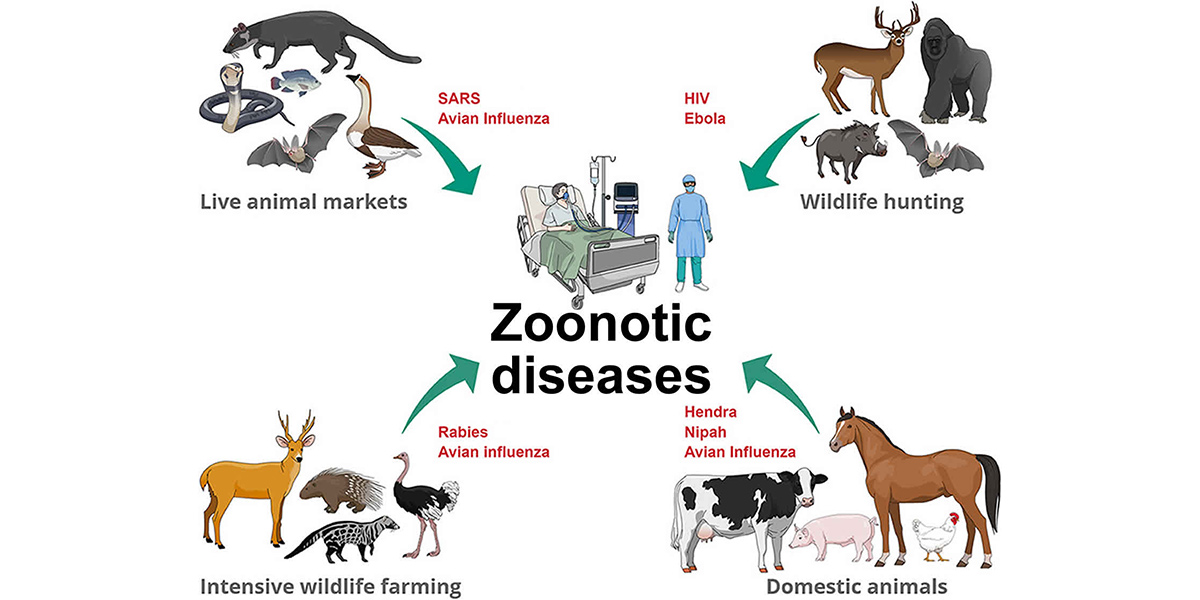
The root of modern outbreaks: Over 60% of known human infections and 75% of newly emerging threats (including rabies, Mpox, and viral hemorrhagic fevers) cross over from animal hosts.
The point of spillover: This risk does not stay confined to remote jungles; it happens whenever farm workers handle poultry without protective gear amidst dust and droppings, or when an unvaccinated neighborhood dog bites a child.
Breaking the Chain of Transmission
The wide gap between the deadly stakes of zoonoses and general public awareness leaves communities defenseless. Without understanding how pathogens cross species, basic prevention remains impossible.
Real protection begins long before patients arrive at emergency clinics:
- Shielding the interface: Enforcing basic protective barriers for animal handlers and livestock market workers.
- Targeting the reservoir: Systematically vaccinating domestic animals and reporting unexplained livestock deaths.
- Early clinical suspicion: Connecting unexplained human fevers directly to recent animal contact.
Recognizing what a zoonosis is gives communities the power to intercept the next spillover before it spirals into a wider outbreak.